
AEM servlet by resource type | Community
Skip to main content
Keerthi0555
December 10, 2024
Solved

AEM servlet by resource type

  • December 10, 2024
  • 3 replies
  • 848 views

HI Team,


How is aem servlet with resourcetype is more secure than aem servlet with path based.


Thanks in advance.

This post is no longer active and is closed to new replies. Need help? Start a new post to ask your question.
Best answer by Raja_Reddy

Hi @keerthi0555 
Sling Servlet in AEM – AEM CQ5 Tutorials

When we register a servlet using path, we must be specific what all paths are allowed as If we define something randomly, our servlet might not be function properly. Only a limited set of paths are allowed and the rest are blocked. We can add more path using Apache Sling Servlet / Script Resolver and Error Handler. Allowing more paths to execute servlet to make your application vulnerable. like below image
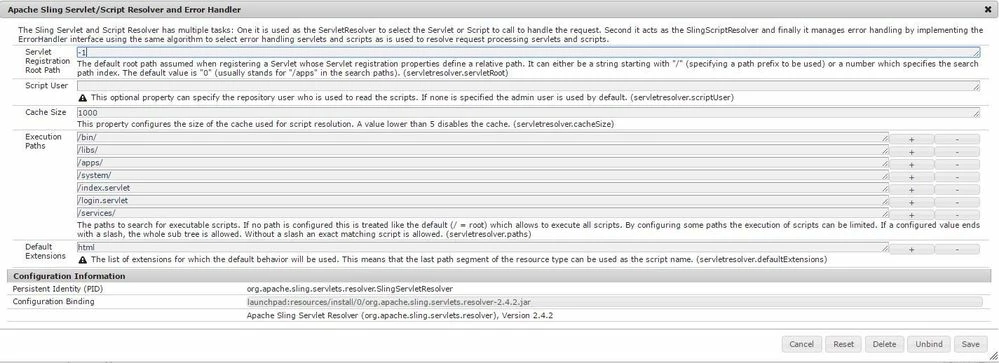
 

That’s why you should not open more doors for servlets to run until and unless it is required. You might also need to tell specific paths to your consumers, who are consuming servlet response using ajax and any change in that path could have a serious affect. This might not be the case when you use resourceType. Sling Engine will take care of permissions if you register servlet using Resource Type. Users who cannot access a particular resource will not be able to invoke the servlet.


3 replies

Tethich
Community Advisor
Community Advisor
December 10, 2024

Hi @keerthi0555 


You can control the access and permissions on the JCR node of the given resource for which you registered the servlet.

Raja_Reddy
Community Advisor
Raja_ReddyCommunity AdvisorAccepted solution
Community Advisor
December 10, 2024

Hi @keerthi0555 
Sling Servlet in AEM – AEM CQ5 Tutorials

When we register a servlet using path, we must be specific what all paths are allowed as If we define something randomly, our servlet might not be function properly. Only a limited set of paths are allowed and the rest are blocked. We can add more path using Apache Sling Servlet / Script Resolver and Error Handler. Allowing more paths to execute servlet to make your application vulnerable. like below image


That’s why you should not open more doors for servlets to run until and unless it is required. You might also need to tell specific paths to your consumers, who are consuming servlet response using ajax and any change in that path could have a serious affect. This might not be the case when you use resourceType. Sling Engine will take care of permissions if you register servlet using Resource Type. Users who cannot access a particular resource will not be able to invoke the servlet.


daniel-strmecki
Community Advisor and Adobe Champion
December 10, 2024

Hi @Keerthi0555,

to summarize, including all the points already raised:

  1. General Security
    • Attackers cannot directly invoke resource-type servlets by guessing paths, as they must reference a valid resource of the specified type
    • Servlets that operate outside the context of specific resources, make it easier for attackers to exploit them if there are vulnerabilities in the servlet logic
  2. Control and Validation
    • Resource-type servlets inherently depend on the Sling Resource Resolution mechanism, allowing AEM to apply additional checks or restrictions based on the resource hierarchy
  3. Development Best Practices
    • Resource-type servlets align better with AEM’s component-based architecture
    • Developers ensure that only specific components can use servlets

Hope this helps,

Daniel

Lokesh_Vajrala
Community Advisor
Community Advisor
December 12, 2024

Thanks, @daniel-strmecki, for the excellent reply!

I also wanted to share an article I recently came across that delves into the pros and cons of registering a Sling Servlet by resourceType and path: AEM: Pros and Cons of Registering a Sling Servlet by ResourceType and Path.

I hope others find it helpful as well!


Thanks,

Lokesh