The order of your marketing channel processing rules is just as important as the criteria within them.
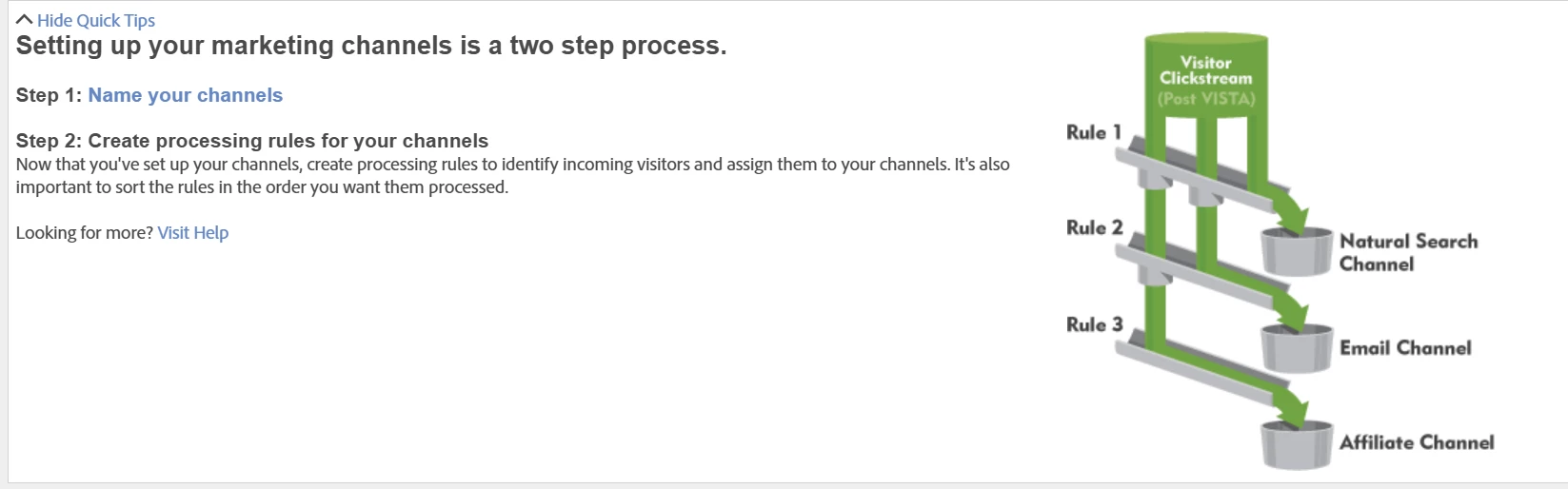
Think of the marketing channel rules like one of those old time coin sorters - you put in a coin, and if it fits into the first slot, it falls, if not it keeps rolling to the second, and so on. The marketing channels are the same way, a hit comes in, and it's compared to the first rule. If it matches, it's assigned that marketing channel. If it doesn't match, it's compared to the next, and so on.
This means that if you have a rule for social network, that includes youtube, and a rule specifically for youtube, it's only going to be applied to one of those marketing channel rules. And if it matches both, it will get applied to the one that is higher up on the list.
Once you've made all of your marketing channel rules, consider what is most important and order them accordingly. For example, you probably want your paid channels first, like paid search, paid social, etc. If you're spending money on a channel, you want to know how it's performing.
When it comes to this youtube example, you will want to put your "youtube" rule above your "social media" rule. Since you specifically care about youtube, if the utm_source is youtube it will match that rule and get assigned. Anything that doesn't match that rule will keep going and could get assigned social media if it meets the criteria.
Below is the graphic that is on the marketing channel processing rule page. The image on the right is a visual representation of what I tried to explain. Stuff that meets the conditions for the first rule get bucketed into it, stuff that doesn't moves onto the next, and so on.